Trending...
- Building Third-party Platforms On Netverse Using Netverse Intelligence "NI" Will Be Quick, Easy & Free When Using Your Earned Rewards Only From Phinge
- New Research Identifies "Vacation Compatibility Gap" as the Hidden Force Shrinking How Long and With Whom Americans Travel
- New Website WhatDayIsItToday.com Launches: Your Daily Go-To for "What Day Is It Today?
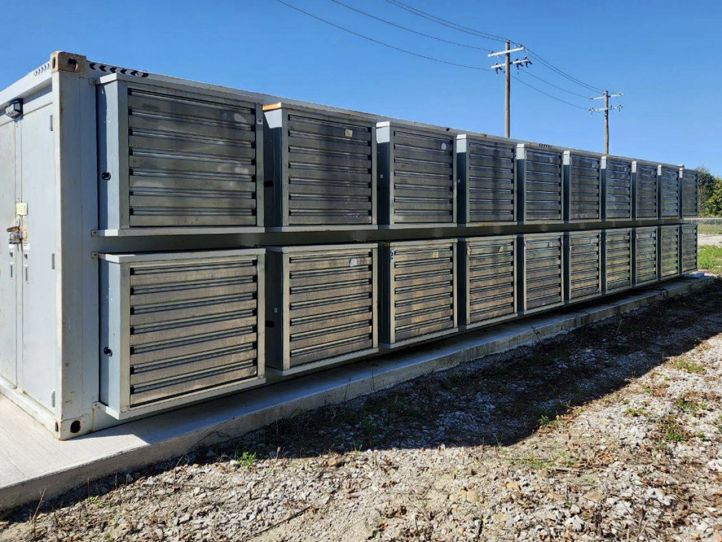

Modular container data centers are reshaping how cryptocurrency mining operates.
SAN FRANCISCO - nvtip -- Inside Bitcoin Mining: The Containers Powering a Global Network
Over the last decade, Bitcoin has evolved from an obscure internet experiment into a global digital asset. While most people track price swings or market headlines, few see the physical infrastructure that keeps the network running behind the scenes: mining.
Bitcoin mining has grown from a hobby conducted on personal computers into a large-scale industrial operation. As the network expanded, efficiency, power availability, and operating costs became the dominant factors shaping where and how mining takes place. One solution increasingly adopted by operators is containerized infrastructure—repurposed shipping containers designed to house specialized mining equipment.
These containerized facilities offer a fast and flexible way to deploy mining operations wherever reliable electricity is available.
What Bitcoin Mining Actually Does
Bitcoin mining is the process that verifies transactions and secures the blockchain network. When someone sends Bitcoin from one digital wallet to another, the transaction must first be validated by a decentralized network of computers.
Thousands of transactions are grouped into blocks. Specialized machines known as miners compete to verify those blocks by solving complex cryptographic problems. Once a block is verified, it is added to the blockchain, and the miners receive a reward consisting of newly issued Bitcoin and transaction fees.
More on nvtip.com
This process requires significant computing power, which consumes large amounts of electricity and produces substantial heat. As mining scaled globally, operators began searching for infrastructure that could support high-density computing while remaining cost-efficient and adaptable.
Why Containers Are Used for Mining
Shipping containers have become a practical solution for housing mining equipment because they are modular, transportable, and relatively quick to deploy.
Scalability is one of the biggest advantages. Instead of constructing large permanent facilities, operators can start with a single container and expand incrementally by adding more units as demand grows. Containers can be arranged side by side or stacked, creating a flexible infrastructure that grows alongside the operation.
Mobility is another major factor. Mining operations often follow access to inexpensive electricity. Containerized systems allow operators to relocate equipment to regions with more favorable energy costs or regulatory conditions, something traditional data center buildings cannot easily accommodate.
Cooling and airflow also play a critical role. Mining machines run continuously and generate large amounts of heat. Container systems are typically designed with high-volume ventilation, using industrial fans to pull cool air in and push hot air out. Some operations also incorporate evaporative cooling systems to further reduce internal temperatures while minimizing energy use.
More on nvtip.com
A New Layer of Infrastructure
A typical 40-foot mining container can support roughly 1 to 1.5 megawatts of electrical load and house hundreds of specialized machines. To operate safely and efficiently, these units rely on industrial-grade electrical systems, including three-phase power, power distribution units, and carefully designed rack layouts that maintain airflow between machines.
As Bitcoin continues to mature, the infrastructure supporting it is evolving as well. Containerized mining facilities illustrate how the industry is adapting to the demands of large-scale computing while maintaining flexibility in a rapidly changing energy and regulatory landscape.
What began as a decentralized financial experiment is now supported by a global network of highly specialized infrastructure—often hidden inside rows of steel containers working around the clock.
To read the full story, click here: https://www.conexwest.com/blog/hidden-infrastructure-behind-bitcoin-shipping-containers
About Conexwest
Conexwest is a U.S.-based supplier of shipping containers and container modifications serving commercial, industrial, and infrastructure projects across North America. The company provides new and used shipping containers along with customized container solutions designed for storage, mobile offices, modular facilities, and specialized infrastructure such as data processing environments and equipment housing.
Learn more at: https://www.conexwest.com
Over the last decade, Bitcoin has evolved from an obscure internet experiment into a global digital asset. While most people track price swings or market headlines, few see the physical infrastructure that keeps the network running behind the scenes: mining.
Bitcoin mining has grown from a hobby conducted on personal computers into a large-scale industrial operation. As the network expanded, efficiency, power availability, and operating costs became the dominant factors shaping where and how mining takes place. One solution increasingly adopted by operators is containerized infrastructure—repurposed shipping containers designed to house specialized mining equipment.
These containerized facilities offer a fast and flexible way to deploy mining operations wherever reliable electricity is available.
What Bitcoin Mining Actually Does
Bitcoin mining is the process that verifies transactions and secures the blockchain network. When someone sends Bitcoin from one digital wallet to another, the transaction must first be validated by a decentralized network of computers.
Thousands of transactions are grouped into blocks. Specialized machines known as miners compete to verify those blocks by solving complex cryptographic problems. Once a block is verified, it is added to the blockchain, and the miners receive a reward consisting of newly issued Bitcoin and transaction fees.
More on nvtip.com
- Nayarit's Jungle Coast Redefines Luxury Travel on Mexico's Pacific Now More Accessible Than Ever
- $10 Million Annual Revenue Merger, Profitable Partner in AI Powered Specialty Automotive Sales Projected to Scale Above $200M: Stock Symbol: NWPG
- Virginia Moving Company Nearly Doubles Customer Calls in Two Weeks After Switching to CARL — the Bold New Alternative to WordPress
- Hempworx CBD Under Powerful New Wellness Platform
- RAS AP Consulting Launches Vendor Master File & Payment Controls Assessment for NACHA Phase 2 Compliance
This process requires significant computing power, which consumes large amounts of electricity and produces substantial heat. As mining scaled globally, operators began searching for infrastructure that could support high-density computing while remaining cost-efficient and adaptable.
Why Containers Are Used for Mining
Shipping containers have become a practical solution for housing mining equipment because they are modular, transportable, and relatively quick to deploy.
Scalability is one of the biggest advantages. Instead of constructing large permanent facilities, operators can start with a single container and expand incrementally by adding more units as demand grows. Containers can be arranged side by side or stacked, creating a flexible infrastructure that grows alongside the operation.
Mobility is another major factor. Mining operations often follow access to inexpensive electricity. Containerized systems allow operators to relocate equipment to regions with more favorable energy costs or regulatory conditions, something traditional data center buildings cannot easily accommodate.
Cooling and airflow also play a critical role. Mining machines run continuously and generate large amounts of heat. Container systems are typically designed with high-volume ventilation, using industrial fans to pull cool air in and push hot air out. Some operations also incorporate evaporative cooling systems to further reduce internal temperatures while minimizing energy use.
More on nvtip.com
- New Homesites Released at Heritage at Manalapan Featuring Scenic Golf Course Views
- The Ultimate Solution to Halt Thermal Runaway
- Strategic Talent Associates Launches THE ALIGNED RESET™
- Calvetta Phair Founder & CEO Earns AOPA Foundation Flight Training Scholarship, Inspiring a New Generation of STEM Dreamers in Underserved Communities
- MTV EMA Nominee and WOA Founder Oliver Sean Conferred Doctor of Musical Arts (DMA) Degree
A New Layer of Infrastructure
A typical 40-foot mining container can support roughly 1 to 1.5 megawatts of electrical load and house hundreds of specialized machines. To operate safely and efficiently, these units rely on industrial-grade electrical systems, including three-phase power, power distribution units, and carefully designed rack layouts that maintain airflow between machines.
As Bitcoin continues to mature, the infrastructure supporting it is evolving as well. Containerized mining facilities illustrate how the industry is adapting to the demands of large-scale computing while maintaining flexibility in a rapidly changing energy and regulatory landscape.
What began as a decentralized financial experiment is now supported by a global network of highly specialized infrastructure—often hidden inside rows of steel containers working around the clock.
To read the full story, click here: https://www.conexwest.com/blog/hidden-infrastructure-behind-bitcoin-shipping-containers
About Conexwest
Conexwest is a U.S.-based supplier of shipping containers and container modifications serving commercial, industrial, and infrastructure projects across North America. The company provides new and used shipping containers along with customized container solutions designed for storage, mobile offices, modular facilities, and specialized infrastructure such as data processing environments and equipment housing.
Learn more at: https://www.conexwest.com
Source: Conexwest
0 Comments
Latest on nvtip.com
- Live Comedy Comedy Battle Mountain Thursday May 7
- CX Network Releases Report on the Best AI Support Tools for SaaS Companies 2026
- Outlier Pest Season Hits Willamette Valley as Mild Winter Drives Early Surge in Ant and Rodent Activity
- Lokal Media House Wins Web Excellence Award for Black Plumbing Redesign
- Building Third-party Platforms On Netverse Using Netverse Intelligence "NI" Will Be Quick, Easy & Free When Using Your Earned Rewards Only From Phinge
- Lick Expands Flavored Massage Oil Collection with 10 New Indulgent Cream-Inspired Scents
- New Research Identifies "Vacation Compatibility Gap" as the Hidden Force Shrinking How Long and With Whom Americans Travel
- Melospeech Inc. Awarded New NYSDOH BEI Contract in New York
- Five-star Review for Berklee School of Music Textbook
- Las Vegas, Nevada — Wedding Capital of the World
- New Website WhatDayIsItToday.com Launches: Your Daily Go-To for "What Day Is It Today?
- Advanced TeleSensors Appoints AgeTech Innovator Tiffany Wey, MBA as Vice President of Sales & Marketing
- Daniel Kaufman Real Estate Venture LoneStar Kaufman Development Partners Expands
- Brian D Chase Selected to the 2026 Nation's Top One Percent Personal Injury Lawyers
- Most Americans Choose Their Water Brand Because of Its Natural Source — Yet Fewer Than 3 in 10 Understand What Spring Water Actually Is
- Unlocking Multi-Sector Growth; Graphite Acquisition Powers EV Entry While Streamlined Consumer Snack Business Fuels Growth: (N A S D A Q: SOWG)
- Permian Museum Adds Carbonaceous Chondrite Reference Photos
- L2 Aviation Receives FAA STC and PMA for Klatt Works SAVED™ Smoke Vision System
- Axencis Launches Performance Partnership for Brand Protection
- CCHR Says New OIG Report Raises Concerns about Drugging Elderly with Antipsychotics